
the dust interview
some poems i never wanted to write

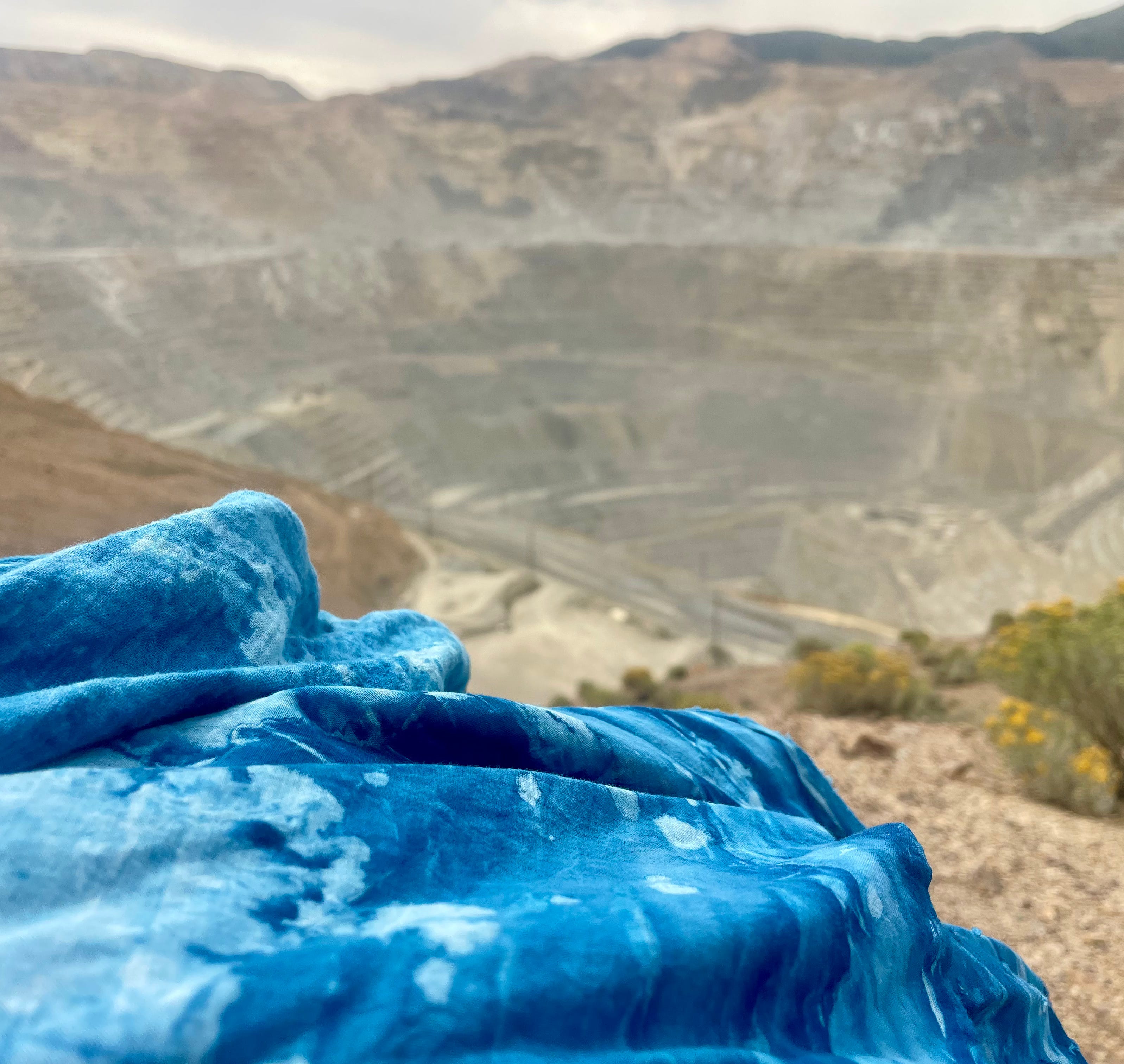
Dear Reader,
During the last five years I’ve written about Great Salt Lake, describing every beauty I could find— look at this grain of oolitic sand, see how the phalaropes glitter, here is a kestrel feather! My words are prayers meant to beckon everyone to fall irrevocably in love with a dying neighbor and to keep vigil with her. And I still believe that our love could save her.
Until now, I had not written about the dust. I had not written about the way that dust influenced my departure.
When the life of someone you love is at stake, you stay with them. For four vigil-keeping winters, I said it and meant it. And then last fall, I left. I’m embarrassed. My big proclamation turned out to be a promise I couldn’t keep. I had reasons to move that I’d rather talk about: I am determined to be near my queer family in dangerous times, I needed to try a slower pace, I wanted to live try intergenerational living with my mother— these reasons are all very real. But also, in Salt Lake City, my health had become precarious. Moving so far away was also about the dust. Since leaving, my health has improved significantly, but I do not celebrate. So many are still in harm’s way, and perhaps this includes you.
When Julianne Liu, a master’s student in Environmental Justice at the University of Michigan, contacted me to request an interview specifically about lake dust, I quickly said yes. She sent me thoughtful written questions before our interview. My answers are poems I never wanted to write, inspired by my love for her questions. Here are some excerpts.
love,
nan
Q. How would you describe what dust is?
A. a clear message from the man-made abyss,
an emissary of the emptied, oh dangerous angel—
dust is what happens when water leaves us.Q. What makes a dust storm a dust storm?
A. wind engages water’s absence.Q. Can you tell me about your experiences with dust?
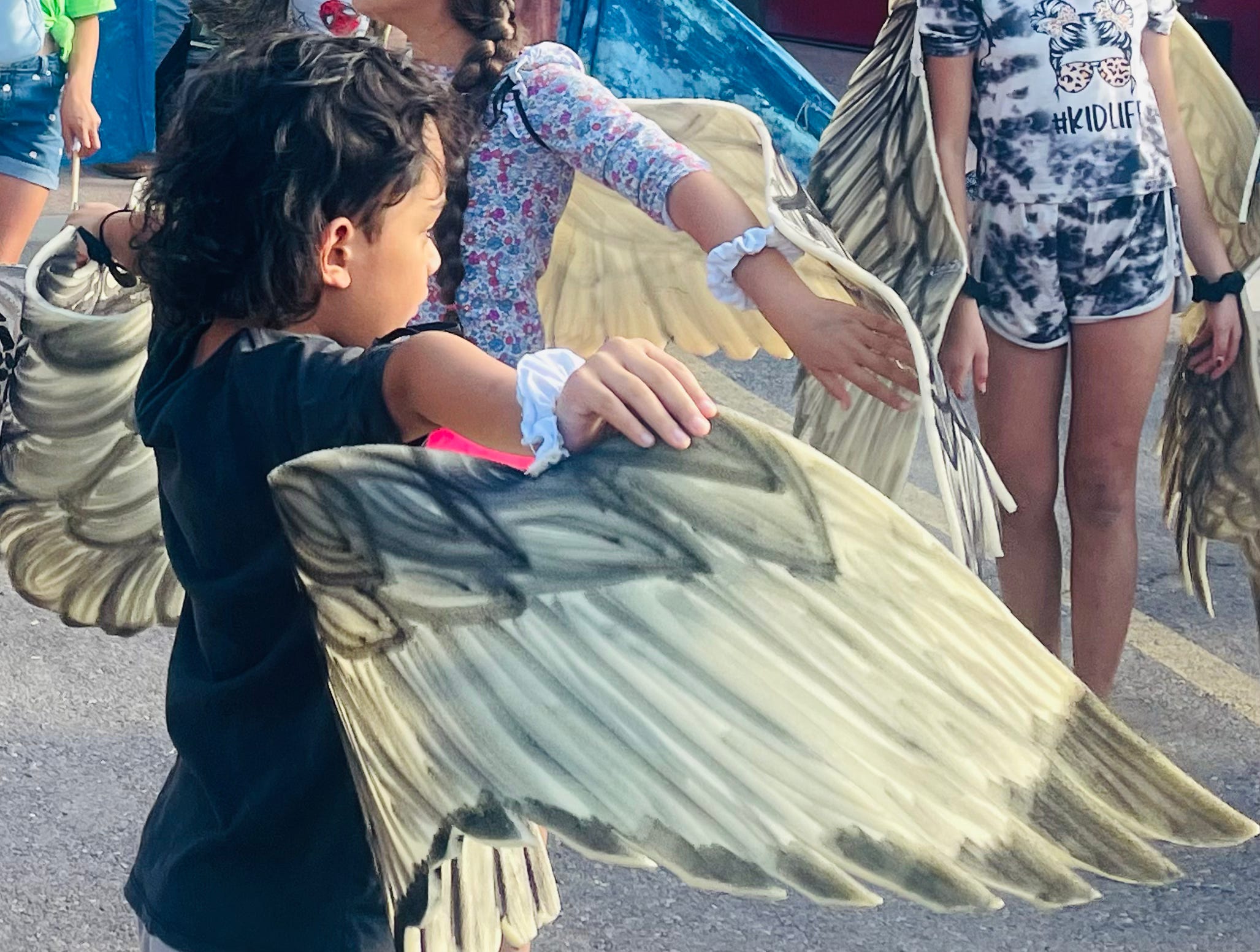
A. one of many: there are two dozen children outside the library,
singing and dancing beneath an azure sky, some are wearing wings.
“I’m flying,” cries a five year-old as the wind picks up.
we see it coming— we rush them inside
a gust slams the door behind them, just in time.
we are buffeted as we pack up the puppets.
in near zero visibility, we cannot drive far enough
away. many miles down the road,
we are still in itQ. Using your different senses, can you describe what it is like to experience dust or a dust storm? How does it feel in your body?
A. tastes like canned food without food
sounds like dearth of song
smells like dental work,
whiter than fire smoke,
dust looks like enclosure inside erasure—
feels like a change in the cabin pressure
feels like your breath being slowly sipped away.Q. When did your awareness of/interest in dust start? How has it changed over time?
A. five years ago i heard a scientist say: losing this lake
would be worse than the infamous dust bowl.
a year later, my pal reported a night-time bike ride:
each way she turned, particles in suspense,
captured by the beam of her headlight,
she rode inside a snow globe—
the dust isn’t coming,
its here, she said.
Q. Do you do anything to protect yourself against dust?
A. i receded.Q. Who or what communities are most impacted by dust?
A. those living nearest the lake are harmed first and most:
residents of state-sanctioned sacrifice zones,
thousands who are incarcerated,
shorebirds, microbialites, and bison who have no other homes.
relative to adults, the dust laced with mining waste
poisons the bodies of children at 2-4 times the rate;
the smaller they are, the more concentrated.
Q. What are your biggest concerns or priorities about dust? How did you rank these?
A. how could one begin to rank these concerns?
the lives of 12 million birds and countless other lake-dwelling kin,
the injuries in my own body,
the disproportionate poisoning of children,
the peril of friends and family,
the collapse of an entire ecosystem—
the loss of her irreplaceable beauty,
as her vast heart vanishes.Q. How does dust impact you (answer below) and your community? (answer above) How do you define your community? (answer below)
A. forsaking my home of a half-a-century,
i moved five hundred and ninety-three miles away.
left behind a purposeful life and lake-facing friends,
left fruit-bearing trees planted by my own hands,
left the oak groves who raised me and sparrows i knew personally.
farewell, familiar contours of the wave-made world—
goodbye lake, beloved teacher.Q. Do you think dust from Great Salt Lake be managed/prevented? How?
A. at last we see
the life of the lake
as inseparable from our own.
we turn our hearts her way
we offer collective rituals of repair
we make our love for the lake visible and audible
we make our movements joyful and irresistible.
no more inland ports. no data centers.
we end lawns. we bring down dams.
for the sake of children, we stop the mining.
we seek wisdom from Indigenous leaders, artists, and scientists,
and honor the lake as our ultimate teacher.
we eat meat sparingly, knowing the true cost.
we abundantly support our farmers,
as they grow more food for people and less for cattle.
we rise to oust the last corrupt politician.
we redefine and redistribute wealth.
we vote for the lake.
we indelibly inscribe her personal rights:
to thrive, to evolve, and to be wholly herself.
“wind engages water’s
absence.”
oh, nan.
I was there with the kids the day the dust came. I always say I’m going down with the ship, but it is probably a poor choice.